Faster TB Detection
The project titled ‘TB One Stop Services (TOSS)’ aims at increasing the rate of TB screenings and improve diagnosis by motivating the Private Healthcare providers, who are generally the first contacts of patients for any medication.
- Objectives
- Approach
- Activities
- Increase TB screening
- Improve diagnosis & notification of bacteriologically confirmed TB cases that approach service providers from the private sector.
Recognising the reason behind fewer screenings is that most patients contact the Private sector for established medication but the new diagnostic tests are not available in the Private sector, TBAI has established Diagnostic hubs in private Labs in the operational area. The model adopted there comprises offering CBNAAT at the subsidized rates to patients who can pay (IPAQT) and also offers free service to one patient below the poverty line for every five patients who can pay. Thus it provide healthcare to all but at the same time it does not interfere with the commercial and business interests of the Private Sector.
- Establishing diagnostic hubs in the private labs
- Offer new diagnostic tests at a subsidised rate/ free of cost
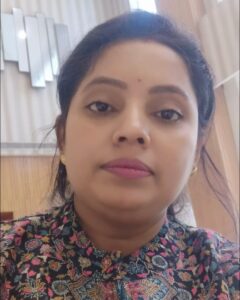
Despite suffering for long, Reshmi (26) was not given any attention by her family members as they were struggling to survive after the lockdown during COVID. By the time she visited the TB DOTS centre, she had severe symptoms such as weight reduction, blood in the sputum and fever. Her treatment did not begin for 10 days despite being declared positive as she was not traceable. Continuous follow-up by DIVINE Project DOTs Centre team revealed that she was hospitalized for termination of pregnancy. It took lot of efforts to convince her to start the CAT-1 treatment. But her condition was still deteriorating. A subsequent CBNAAT test showed her to be multi-drug-resistance (MDR). Reshmi was hospitalized as her condition further deteriorated. XDR treatment with associated drug regimen was started immediately as she also had a family history of XDR. She stabilized after weeks of medication and was discharged. Throughout the treatment, she experienced Cycloserine side effects such as confusion, suicidal tendencies and sadness. Her husband refused to support her but she could recover thanks to the emotional and nutritional support provided by the project team.
Reshmi
New DelhiGallery
Activities
Expected Outcome
About our trust
Quick links
what we do
Contact Us
- Flat No. 301, H No. 10-2-191, Binjrajka Residency, West Marredpally, Secunderabad, Telangana–500026, India.
- +91-40-27803499
- info@tbalertindia.org
All rights reserved © TB Alert India Website Development by : WEB NEEDS